
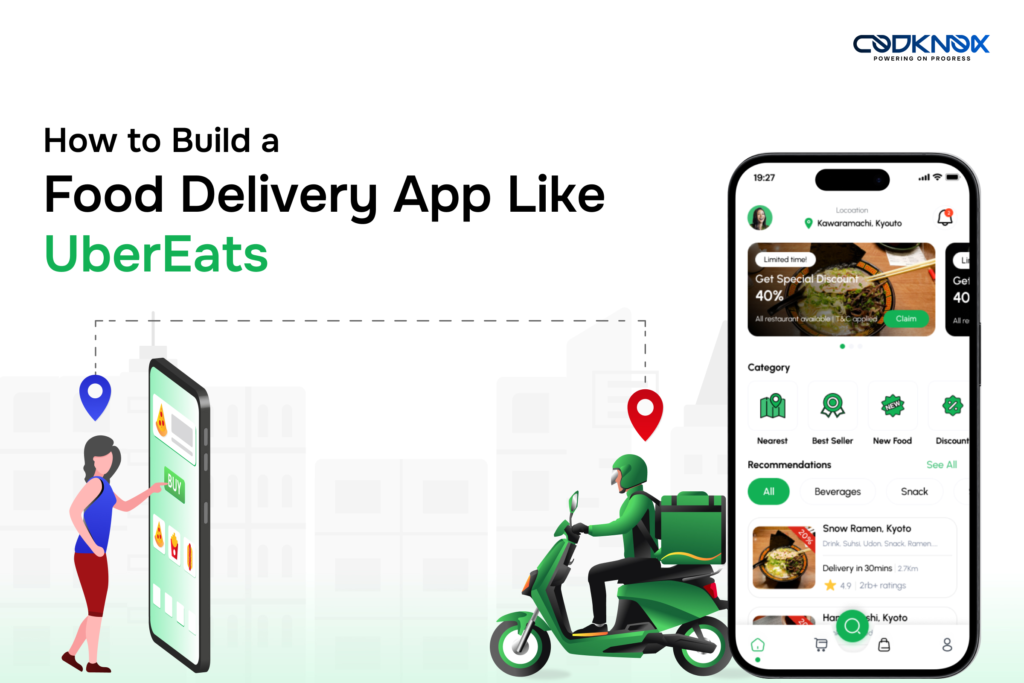
How to Build a Food Delivery App Like Uber Eats
From ordering your favorite meal during a busy workday to enjoying a cozy dinner at home, apps like Uber Eats have transformed the way we experience food. But have you ever wondered how these platforms are built? What goes into creating a food delivery app that’s not only functional but also user-friendly, reliable, and scalable? If you’re looking to develop a delivery app like Uber Eats, you’re in the right place. This blog by a leading food ordering app development company,takes you through the most frequently asked questions about developing a food delivery app, providing insights into the features, technologies, food delivery app development cost, and strategies that can help turn your idea into a successful business. I. What Features Should a Food Delivery App Have? Building a successful food delivery app requires a well-rounded approach, ensuring that each user type—customers, delivery agents, restaurant owners, and admins—has access to the right features for a seamless experience. Below are the essential features for each panel: II. How Much Does It Cost to Create a Food Delivery App Like Uber Eats? The features you wish to include, the platform you select, and the app’s complexity are just a few of the variables that can greatly affect the cost of developing a meal delivery app. It can cost anywhere from $10,000 to $150,000 or more on average. The cost to develop the delivery app will rise for custom features like advanced analytics or artificial intelligence for order optimization. Furthermore, the platform selection, whether you develop for iOS, Android, or both, also affects the final food delivery app development cost. Need a Quote? Share your project requirements and our experts can help you with a competitive price for your app development. For businesses that are looking for a more cost-effective solution, white-label apps offer a great alternative. White-label apps are pre-built platforms that you can brand as your own, significantly reducing the development time and cost. At Codknox, a trusted food delivery app development company, a basic white-label food delivery app can start at around $6,000, offering a more budget-friendly way to enter the food delivery market with essential features already integrated. However, customization and additional features may increase the overall cost. III. What Technologies Are Used to Develop a Delivery App for Food? A food delivery app requires a combination of technologies for both the mobile and backend components. For mobile app development, frameworks like React Native, Swift for iOS, and Kotlin for Android are commonly used. On the backend, technologies such as Node.js, Python, and Ruby on Rails are popular for building robust server-side applications. Databases like PostgreSQL and MongoDB store essential data like user profiles, order details, and restaurant information. For real-time tracking, Google Maps API and Firebase are often integrated to provide accurate location data. Additionally, cloud services like AWS or Google Cloud are essential for scalable hosting and data storage. Payment integration platforms like Stripe and PayPal ensure secure transaction processing. IV. How Long Does It Take to Build a Food Delivery App Like Uber Eats? The intricacy of the features and the efficiency of the development team can affect how long it takes to create a food delivery app. Building a simple food delivery service that works well usually takes three to six months. Design, development, testing, and deployment are all included in this. The timeline might be prolonged by more complex features or integrations, and depending on the team, more time might be required for final adjustments and debugging before launch. V. How Can I Make My Food Delivery App Stand Out from the Competition? Offering your users something different is essential in an extremely competitive industry. By emphasizing a distinctive value proposition, such as expedited delivery or exclusive restaurant connections, you may set your app apart from the competition. Customer retention can be enhanced as well by a design that is easy to use and navigate. Furthermore, providing discounts or loyalty programs will encourage people to return. You can include modern features like voice search, contactless delivery choices, or AI-driven suggestions to stand out even more. Spreading the word about your app should be supported by a solid marketing plan and social media promotions. VI. Do I Need to Hire a Development Team to Create a Food Delivery App? Yes, creating a high-quality food delivery app requires a skilled development team. This team typically consists of mobile app developers who specialize in both iOS and Android platforms. You’ll also need backend developers who can handle the server-side architecture, ensuring your app runs smoothly. UI/UX designers are essential for crafting an intuitive and aesthetically pleasing interface. Quality assurance testers ensure that the app is free from bugs and glitches before it goes live. Additionally, project managers will help coordinate the development process and keep the project on track. VII. How Do I Ensure the Security of My Food Delivery App? Security is a top priority when developing a food delivery app, as it handles sensitive user information, such as payment details and addresses. Implementing strong data encryption for user data and payment information is essential to protect against breaches. Secure authentication methods, including two-factor authentication (2FA), should be used to ensure that only authorized users can access the app. Regular updates and security patches are crucial to keep the app protected from emerging threats. Additionally, compliance with data privacy regulations such as GDPR ensures that user data is handled responsibly. VIII. How Can I Monetize a Food Delivery App Like UberEats? There are several ways to monetize a food delivery app. One of the primary revenue streams is taking a commission from each order placed through the app. You can also charge delivery fees to customers, which can be a flat rate or vary based on distance. Another option is offering subscription models for restaurants that want to be featured more prominently on the platform. In-app advertisements, such as banners or promoted restaurant listings, can also generate revenue. Additionally, offering in-app promotions, like discounts or featured
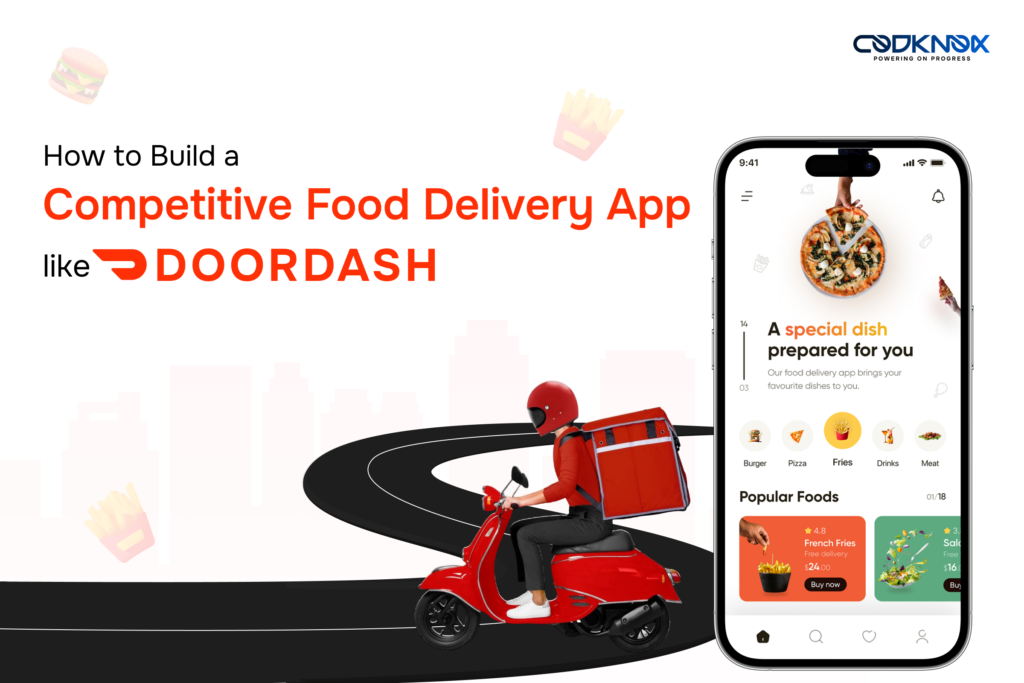
How to Build a Competitive Food Delivery App like DoorDash in 2025
Delivery apps like DoorDash have transformed how consumers order and eat, which has led to exponential development in the food delivery sector. As consumer demands for efficiency and convenience increase, companies are looking at developing comparable apps. This blog will walk you through the key components, features, and expenses of creating DoorDash-style food delivery software. Let’s look at some interesting facts about the online food delivery economy. Source: DoorDash Understanding the Business Model It is essential to comprehend the food delivery industry’s business models before beginning any development. Aggregator Model: The aggregator model connects customers and restaurants, leaving delivery management to the eateries. Logistics Support Model: Similar to an app like DoorDash, this model provides end-to-end solutions for managing restaurant orders and deliveries. Subscription Model: Providing premium services, like DashPass, such as free delivery or discounts in exchange for a set monthly charge. Your choice of model will determine the app’s features and development complexity. Key Features of a Food Delivery App like DoorDash A comprehensive food delivery app like DoorDash requires distinct features for all stakeholders: 1. For Customers User Registration: Simplifies the onboarding process by allowing users to sign up using their email, phone number, or social media accounts. This feature ensures quick access and enhances user convenience. Restaurant Browsing: Enables users to explore a variety of restaurants by filtering options based on cuisine type, location, or customer ratings. This feature ensures users can easily find their preferred meals or discover new options. Order Tracking: Provides real-time updates on the status of orders, from preparation to delivery. This enhances transparency and keeps customers informed every step of the way. Secure Payments: Offers multiple payment methods, such as credit/debit cards, digital wallets, and UPI, ensuring a seamless and secure transaction experience. Ratings & Reviews: Allows customers to share feedback about restaurants and delivery personnel. This feature builds trust within the app’s ecosystem and helps improve service quality. 2. For Delivery Partner Order Notifications Delivery partners receive instant alerts whenever a new delivery request is assigned. These notifications include essential details like the pickup location, delivery address, and estimated delivery time, ensuring they are well-prepared for the task. Navigation Tools GPS-integrated maps guide delivery partners with optimized routes, helping them save time and fuel. Real-time traffic updates ensure they avoid congested areas, enabling timely deliveries and enhancing customer satisfaction. Earnings Dashboard This feature provides delivery partners with a detailed breakdown of their completed deliveries, total earnings, and incentives. It helps them track their financial performance and motivates them to achieve higher goals. Availability Toggle Delivery partners can mark their availability status directly in the app. This flexibility allows them to manage their working hours effectively, ensuring they can take breaks or work during peak demand periods as needed. Delivery History A comprehensive log of all completed deliveries is accessible, serving as a reference for any disputes or personal record-keeping. It also helps in evaluating their performance over time. In-App Chat Seamless communication is facilitated through an in-app chat feature, enabling delivery partners to connect with customers or the support team. This helps in resolving queries or issues during the delivery process, ensuring smooth operations. Performance Metrics Delivery partners can view their ratings, customer feedback, and other performance indicators. This transparency helps them understand areas for improvement and incentivizes them to maintain high service standards. 3. For Restaurants Order Management This feature allows restaurants to manage their orders efficiently by accepting, preparing, and updating the status of each order in real time. From acknowledging new orders to marking them as “ready for pickup” or “out for delivery,” this tool ensures seamless communication between the restaurant, the delivery partner, and the customer. Menu Updates Restaurants can easily update their offerings by adding new dishes, editing existing items, modifying prices, or marking items as unavailable. This flexibility helps keep the menu accurate, which is essential for maintaining customer trust and reducing canceled orders. Sales Analytics Comprehensive reports on revenue, customer preferences, and peak order times are generated to provide restaurants with valuable insights. These analytics enable businesses to identify popular items, optimize their menu, and plan marketing strategies based on customer demand patterns. Promotional Tools Restaurants can create and manage special offers, discounts, and loyalty programs to attract and retain customers. These promotions can be targeted to specific customer segments or timed during non-peak hours to boost sales and visibility. Inventory Management This feature tracks stock levels of ingredients or menu items, helping restaurants avoid accepting orders they cannot fulfill. Automated alerts can notify the restaurant when stock levels are low, ensuring better inventory planning and reducing customer disappointment. Customer Feedback Restaurants can view and respond to customer reviews and ratings directly through the platform. This feedback helps identify areas for improvement and showcases a commitment to quality, fostering a better relationship with customers. Support Access Direct communication with the platform’s support team ensures that restaurants can resolve technical issues, billing inquiries, or other concerns swiftly. Having this support readily available minimizes downtime and enhances the overall user experience. 4. For Administrators User Management This feature enables administrators to oversee the registration and activity of all app users, including customers, delivery agents, and restaurants. It helps maintain a balanced ecosystem by allowing the admin to verify user credentials, manage accounts, deactivate suspicious profiles, and ensure compliance with platform rules. Analytics Dashboard The analytics dashboard provides real-time insights into app performance, including sales metrics, order completion rates, user engagement, and peak activity times. These insights empower admins to make data-driven decisions, optimize operations, and identify growth opportunities. Customer Support A centralized system for managing customer inquiries and complaints ensures prompt issue resolution. This feature supports ticket generation, response tracking, and escalation management, enhancing user satisfaction and loyalty. Commission Management Administrators can define and adjust commission rates for restaurants and delivery partners. This flexibility helps maintain profitability while ensuring fair compensation for partners, fostering better relationships, and encouraging participation on the platform. Promotions Control This feature allows admins to approve, monitor, and regulate promotional
7 Common Pitfalls to Avoid in On-Demand Food Delivery Application Development
As the on-demand food delivery market heats up, it’s time to spice things up with a killer app. But watch out! There are a few flavorless flops you’ll want to avoid. From slow load times to buggy payment systems, these app blunders can leave your customers hungry for more (but not in a good way). If you thought food delivery was just for lazy Sundays, think again! Source: https://www.statista.com/outlook/emo/online-food-delivery/worldwide#revenue If you’re in the food business and haven’t started thinking about your delivery app yet, now’s the perfect time to roll up your sleeves and get cooking because your competitors are already serving up success! But before you dive headfirst into food delivery application development, let’s take a look at some common missteps and how you can collaborate with the best mobile app developers in Dubai to avoid them. 1. Don’t Make Your App a Maze Neglecting the importance of user-friendly design can cost you customers. When apps are designed without user-friendliness in mind, customers can quickly find themselves scratching their heads instead of enjoying their meals. A clunky interface can lead to frustration, making users abandon their orders faster than a cold pizza delivery. This not only leaves customers hungry for more but also hurts your business’s reputation. A confusing app can lead to negative reviews and lost sales, which is the last thing you want when trying to serve up deliciousness to the masses. So, how do you avoid this pitfall? Codknox, an experienced on-demand food delivery app development company can help you prioritize user experience from day one! Conduct user testing and gather feedback to ensure your app is as easy to navigate as a drive-through menu. Simple menus, clear buttons, and a smooth checkout process can turn that frown upside down. By making your app user-friendly, you’ll keep customers coming back for seconds—and who doesn’t want that? Some Interesting Research Findings 2. Don’t Let Poor Payment Integration Drive Customers Away A lack of secure and flexible payment options can hurt your credibility and bottom line. Poor payment integration can be a recipe for disaster. If your app fails to offer common payment methods like credit/debit cards, digital wallets, or cash on delivery, you’re essentially telling them to take their business elsewhere, as nobody likes complicated payment processing. Worse, if your payment gateway isn’t secure, customers may hesitate to trust your app, which could spell the end of your business before it even picks up steam. To avoid this mistake, a seasoned food delivery app development company in Dubai, UAE, can help you integrate multiple payment options and ensure top-notch security protocols. When customers know they can pay quickly and safely, they’re far more likely to hit that “order” button again and again. 3. Don’t Leave Your Customers in the Dark No real-time tracking? Expect a flood of “Where’s my order?” messages. Leaving your customers guessing about their order’s whereabouts is a surefire way to ruin their appetite and their mood. When they can’t see the status of their meals, you might as well be telling them to wait for a unicorn to deliver them. Imagine placing an order and then staring at your phone, anxiously refreshing the app like you’re waiting for a long-lost friend to show up. When customers can’t see the status of their meals, they might feel like they’ve entered a food delivery black hole. This uncertainty not only leads to frustration but also increases the likelihood of customers reaching out to your support team with questions and complaints, diverting valuable resources from other areas of your business Integrating real-time tracking isn’t just smart; it’s essential. By letting customers see exactly where their food is and when it’s arriving, you’ll keep them happy and engaged. A robust tracking system can enhance customer satisfaction and trust, making them more likely to order again; after all, everyone loves a reliable delivery experience. Need detailed information. Connect with Codknox, an experienced mobile app development company in Dubai. 4. Don’t Turn a Blind Eye to Data and Analytics Overlooking analytics means missing out on key insights that drive business growth and efficiency. Skipping analytics in your food delivery application development is like trying to find your way with no map—it’s a recipe for missed orders, wasted time, and unhappy customers. Without insights into customer preferences, order patterns, and operational hiccups, you’re left guessing what’s working and what’s not. Not only does this prevent you from personalizing customer experiences or streamlining deliveries, but it also stifles your ability to make informed business decisions. But don’t worry, there’s an easy fix. Work with the best mobile app developers in Dubai to integrate powerful analytics tools into your app and suddenly, you will be in the driver’s seat. You’ll know exactly what customers want, when they want it, and how to serve them better, ensuring your business keeps growing in the right direction. 5. Don’t Ignore Marketing and Promotion Missing the mark on marketing can leave your app collecting digital dust while competitors rake in the orders. Skipping out on effective marketing for your on-demand food delivery app is like hosting a dinner party and forgetting to tell anyone about it. If you don’t promote your app, it might as well be invisible! Customers love a good deal, and without enticing promotions, discounts, or loyalty programs, they may not see any reason to download your app over the competition. Moreover, if your marketing game is weak, you risk being outshined by flashier competitors who know how to grab attention. To dodge this misstep, put some sizzle into your marketing strategy. Use social media to share mouth-watering food pics, run fun promotions, and engage with your audience. When customers feel the excitement, they’re much more likely to hit that “download” button and place their next order with you! Do you want to learn more about marketing and promotions? Get in touch with a seasoned mobile app development company in Dubai, offering services to increase the online visibility of your business and